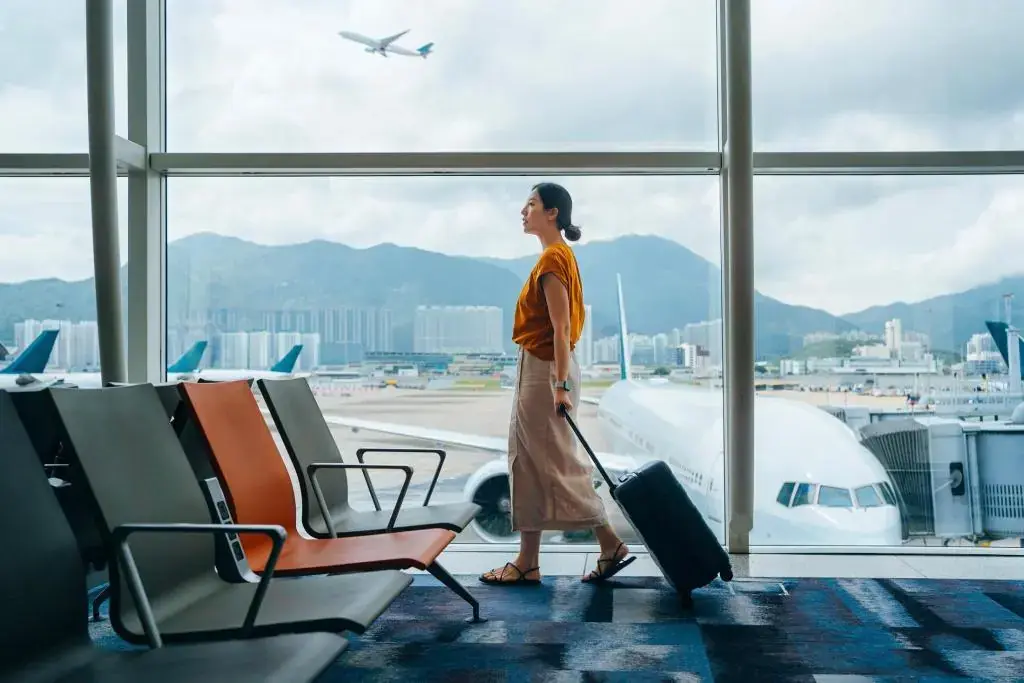
Top Layover Experiences in America: The 2026 Definitive Guide
The modern layover in the United States has undergone a quiet but profound metamorphosis. No longer viewed strictly as an administrative delay or a logistical “dead zone,” the dwell time between flights has emerged as a distinct venue for high-fidelity hospitality, cultural immersion, and metabolic recovery. In the high-velocity landscape of 2026, the American hub-and-spoke system—once criticized for its utilitarian austerity—has been retrofitted into a network of “Aerotropolises.” These are environments where the architecture of the terminal is designed to neutralize the physiological tolls of altitude while providing a sophisticated, localized experience that rivals the cities they serve.
For the experienced traveler, the value of a layover is no longer measured in minutes saved, but in the quality of the “dwell.” As global flight patterns densify, the most prestigious American hubs have invested in “Sensory Governance,” utilizing acoustic engineering, biodynamic lighting, and artisanal culinary integration to transform the transit experience. Navigating these hubs requires more than a casual understanding of gate locations; it demands a strategic grasp of “Terminal Ergonomics.” The top-tier layover is an exercise in “Temporal Sovereignty”—the ability to reclaim hours of a journey from the friction of transit and convert them into an asset of wellness or productivity.
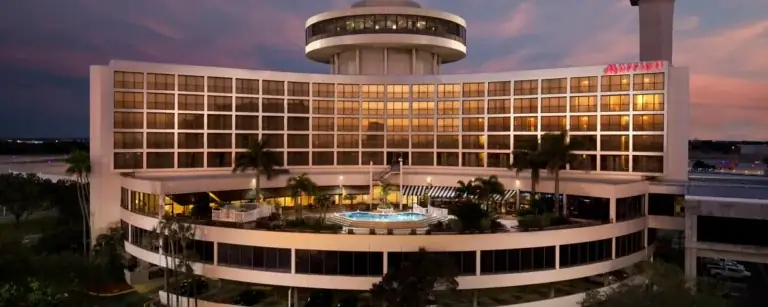
This analysis deconstructs the mechanisms that define the premier American transit experiences. By moving beyond surface-level amenities like standard lounges or duty-free retail, we examine the structural and systemic innovations—from airside speakeasies in Denver to the historic preservation of the TWA Hotel at JFK—that have elevated the layover to a pillar of modern mobility. This is a definitive reference for the traveler who views the airport not as a barrier, but as a deliberate and integrated destination in the logistical chain.
Understanding “top layover experiences in America.”

To identify the top layover experiences in America, one must move past the “Amenities Fallacy.” A common misunderstanding among travelers is the belief that a high volume of retail and dining options automatically equates to a superior layover. In a professional editorial context, a “top” experience is defined by its “Systemic Fluidity”—the ease with which a traveler can transition from a pressurized cabin to a restorative environment without administrative friction. A hub with five-star dining but poor wayfinding and high acoustic pollution remains a low-tier experience. The true leaders in the U.S. market are those that achieve a “Low-Friction Index,” where the architecture itself reduces the cognitive load of the traveler.
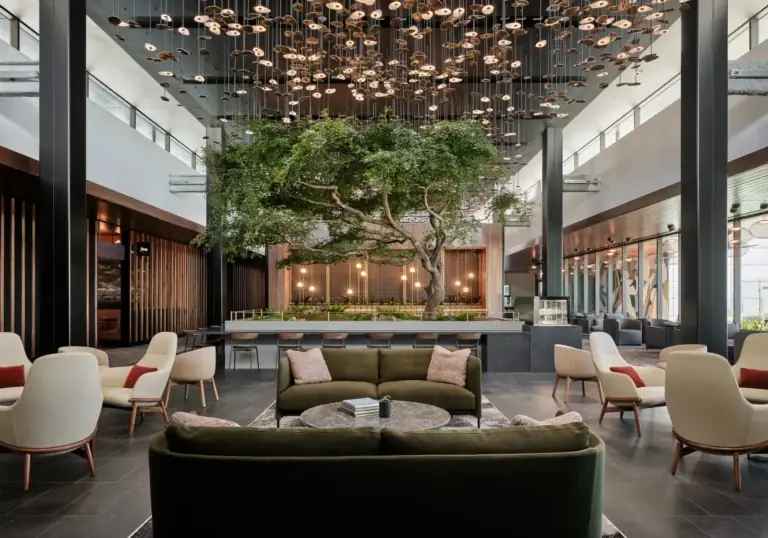
Oversimplification risks often manifest in the neglect of “Localized Authenticity.” Many major hubs offer a generic, globalized luxury that could exist in any capital city. The premier American layovers distinguish themselves by “Terminal Localization,” where the cultural, culinary, and aesthetic signatures of the region are integrated into the airside experience. Portland International (PDX), for example, is often cited not for its scale, but for its “Biophilic Design” and its insistence on local “Street-Food” pricing models inside the terminal. Evaluating a layover requires analyzing whether the airport serves as a “Gateway” or merely a “Pipeline.”
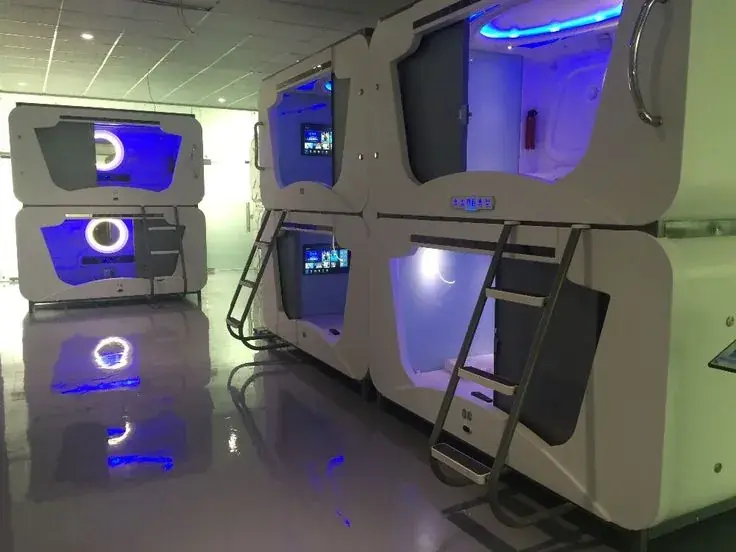
Furthermore, a comprehensive explanation must account for “Metabolic Recovery Infrastructure.” By 2026, the standard for a top experience includes specialized wellness nodes: salt rooms, yoga studios, and “Circadian-Aligned” sleeping pods. The “best” experiences are those that recognize the traveler as a biological entity in need of recovery. If a layover does not provide a “Zero-Decibel” environment or high-quality hydration and nutrition, it fails the modern standard of excellence, regardless of how many luxury boutiques it hosts.
Deep Contextual Background: The Evolution of the Hub
The history of the American layover is a narrative of “Inward Migration.” In the mid-20th century, the layover was a logistical necessity, often spent in spartan, noisy terminals with minimal amenities. These were “Hard-Transit” environments. The 1980s and 90s saw the rise of the “Mega-Hub,” where scale was the primary metric. Airports like Atlanta (ATL) and Chicago (ORD) expanded their footprints to handle massive passenger flows, but the experience remained largely utilitarian—a “Sea of Plastic” seating and generic fast-food concessions.
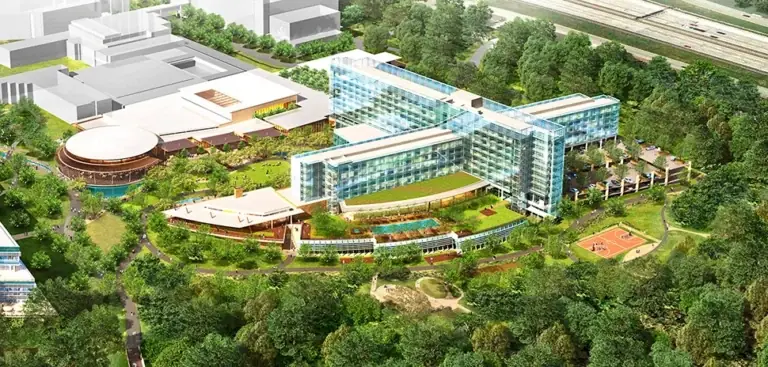
The 2020-2026 era has been defined by the “Human-Centric Retrofit.” Following a global shift in travel priorities, U.S. airports began investing billions in “High-Fidelity Terminals.” This era saw the introduction of terminal-integrated hotels, such as the Grand Hyatt at SFO and the TWA at JFK, which redefined the airport as a destination. The evolution moved from “Throughput” to “Engagement.” Today, the most advanced American hubs are “Multi-Modal Ecosystems” that blend aviation, luxury hospitality, and public art, reflecting a broader trend where the “Wait” is treated as an opportunity for “High-Value Dwell.”
Conceptual Frameworks and Mental Models
1. The “Velocity-of-Access” Model
This framework posits that the value of a layover is determined by the “Gate-to-Rest” time. In a top-tier hub, the time required to clear security (for landside access) or reach a lounge should be under 15 minutes. Any delay beyond this is “Logistical Friction” that erodes the value of the experience.
2. The “Biophilic Integration” Framework
A mental model for assessing environmental quality. It looks at the ratio of “Organic Elements” (natural light, indoor flora, outdoor air access) to “Industrial Elements.” High-performing hubs like PDX or SFO utilize these elements to lower the traveler’s cortisol levels, facilitating a faster recovery from “Cabin Stress.”
3. The “Localized Culinary Index.”
This model evaluates a hub based on its “Concession-to-Culture” ratio. A layover is superior when the food and beverage offerings are 70% localized rather than 70% national franchises. This allows the traveler to experience the “Essence of the Region” without leaving the secure zone.
Key Categories of Top Layover Experiences
The American landscape is categorized by hubs that excel in specific operational niches.
Realistic Decision Logic: The “Window-to-Wellness” Pivot
If the layover is less than three hours, the traveler should prioritize “High-Performance Efficiency” hubs where the logistics are seamless. If the layover exceeds five hours, the “Wellness” or “Historical” flagships provide a higher “Recovery-Yield,” justifying the additional time required for terminal navigation or hotel check-ins.
Detailed Real-World Scenarios
The “Metabolic Recovery” in San Francisco (SFO)
A traveler lands in Tokyo with a six-hour layover before flying to New York.
-
The Conflict: Severe jet lag and “Cabin Dehydration.”
-
The Experience: Utilizing the “Yoga Room” in Terminal 2, followed by a meal at a Michael Mina concept in Harvey Milk Terminal 1.
-
The Success: The traveler uses the “AirTrain” to reach the Grand Hyatt for a three-hour “Day-Stay,” resetting their circadian rhythm before the transcontinental leg.
The “Speakeasy Secret” in Denver (DEN)
A business traveler has a four-hour layover in Concourse C.
-
The Constraint: High-stress schedule with a need for a quiet, high-quality environment.
-
The Experience: Accessing the “Williams & Graham” speakeasy hidden behind a bookstore façade.
-
The Result: The quiet, dark environment serves as a “Sensory Deprivation” node, allowing for deep concentration or relaxation that is impossible in the open terminal.
Planning, Cost, and Resource Dynamics
The economics of the premier layover involve “Opportunity Cost” calculations.
Range-Based Authorization
A traveler should authorize a 20% “Friction-Premium” on their travel budget to secure these experiences. In the context of top layover experiences in America, paying for a terminal-integrated hotel or a premium lounge is a direct investment in “Post-Travel Productivity.”
Tools, Strategies, and Support Systems
-
“Day-Rate” Aggregators: Using platforms to book airport hotel rooms for 4–6 hour windows.
-
Acoustic Mapping Feedback: Checking recent reviews for the “Quiet-Zone” status of specific gates or lounges.
-
TSA PreCheck/Clear Ecosystems: Essential for “Landside-to-Airside” fluidity if visiting terminal-integrated hotels or outdoor public areas.
-
Airport Specific Apps: Using “Live-Flow” data to see wait times at specific restaurants or showers.
-
Biophilic Pathfinding: Choosing walking routes through terminals that offer the most natural light and greenery (e.g., the connectors at ORD or the parks at PDX).
-
“Minute-Suites” and Sleeping Pods: Strategic use of micro-stays for “Power-Naps” in hubs like PHL or CLT.
-
Terminal-to-Terminal Skytrains: Mastery of the DFW “Skylink” or ATL “Plane Train” to reach superior dining in other terminals.
-
Loyalty-Integrated Concierge: Leveraging airline status to secure “Last-Minute” shower or quiet-room bookings.
Risk Landscape and Failure Modes
-
The “Security-Bottleneck” Re-entry: Leaving the secure zone for a landside hotel and finding a 60-minute TSA queue. Mitigation: Only leave the secure zone if you have Clear or TSA PreCheck.
-
The “Terminal-Trap” Distance: Arriving at Terminal A and wanting to eat at a restaurant in Terminal D. Risk: Miscalculating the inter-terminal transit time and missing the flight.
-
The “Systemic Technical-Glitch”: Reliance on digital keys or app-based ordering that fails during peak periods.
-
The “Surge-Occupancy” of Lounges: Top-tier lounges reaching capacity and denying entry to “Day-Pass” holders.
Governance, Maintenance, and Long-Term Adaptation
The quality of a layover is not static; it requires “Operational Maintenance” by the airport authority.
-
Monitoring: Frequent audits of “Wayfinding Clarity” to ensure passengers can find hidden gems without stress.
-
Review Cycles: Quarterly updates to the culinary portfolio to maintain “Regional Authenticity.”
-
When an airport’s ‘Acoustic Floor’ breaches 65 dB, the system activates ‘Silence Zones’ and deploys sound-dampening architecture to restore environmental parity.
Measurement, Tracking, and Evaluation
-
Leading Indicator: “Pre-Arrival Connectivity”—The ability to book a shower or meal through an app before landing.
-
Lagging Indicator: “Traveler Cortisol Delta”—The difference in stress levels measured from landing to departure.
-
Qualitative Signal: “Cultural Resonance”—How much the traveler feels they have “Experienced the City” despite never leaving the airport perimeter.
Common Misconceptions and Oversimplifications
-
Myth: “Leaving the airport is always better for a long layover.” Correction: In cities with heavy traffic (LAX, JFK), the stress of transit often outweighs the benefit of seeing the city; the “Integrated Hub” is often superior.
-
Myth: “All lounges are equal.”Third-party lounges often fail the traveler through overcrowding and poor acoustics, while quiet terminal corners with biophilic design offer a superior environment for recovery.
-
Myth: “Airport food is overpriced and of poor quality.” Correction: In 2026, most top layover experiences in America feature Michelin-starred chefs and “Street-Price” guarantees.
-
Myth: “The biggest airports have the best layovers.” Correction: Mid-sized hubs like PDX or IND often score higher on passenger satisfaction due to ease of movement.
-
Myth: “Sleep pods are a gimmick.” Correction: For a four-hour layover after an 11-hour flight, a controlled, dark environment is a physiological necessity, not a luxury.
-
Myth: “I don’t need PreCheck for a layover.” Correction: If you want to access landside hotels or the famous “TWA Pool,” you need the fastest possible re-entry.
Ethical and Practical Considerations
There is an emerging discussion regarding “The Privatization of Quiet.” As top-tier experiences become increasingly pay-walled through lounges and private suites, the “Common-Zone” traveler faces a louder, more stressful environment. Practically, travelers should support “Open-Access” amenities like terminal parks and art installations that elevate the experience for everyone, ensuring that the American hub remains a civic asset rather than a strictly commercial one.
Conclusion
The top layover experiences in America are no longer happy accidents of scheduling; they are the result of a deliberate convergence of aviation technology, sensory architecture, and regional pride. As we navigate the complexities of 2026 travel, the ability to turn a “Gap” in a journey into a “Peak” in the experience is a hallmark of the sophisticated traveler. By prioritizing hubs that offer “Acoustic Integrity,” “Localized Authenticity,” and “Metabolic Support,” we redefine the very nature of transit. The American terminal attains its ultimate form: a high-fidelity gateway that prioritizes the human rhythm alongside the flight schedule.