Luxury Stopover Destinations USA: The 2026 Definitive Guide
The modern concept of the transcontinental or transoceanic journey has undergone a quiet but radical reconfiguration. Historically, the stopover was a logistical friction point—an administrative necessity born of fuel limitations or flight crew scheduling. In the contemporary high-velocity travel economy of 2026, the stopover has been reclaimed as a deliberate instrument of “Temporal Sovereignty.” It is no longer a delay to be endured but a high-fidelity window of metabolic recovery and cultural immersion. The United States, with its mature hub-and-spoke aviation architecture, has evolved into a premier theater for this specialized form of travel, offering nodes that facilitate a seamless transition from the pressurized cabin to an ultra-high-end sanctuary.
Identifying the most sophisticated venues for these interludes requires moving beyond surface-level travel guides. It demands an understanding of “Aerotropolis” dynamics—the way in which the airport’s secure zone, the integrated terminal hotel, and the immediate metropolitan periphery interact to form a single, low-friction ecosystem. For the high-net-worth individual or the corporate strategist, the choice of a stopover destination is a risk-mitigation strategy. It is an investment in “Post-Arrival Performance,” ensuring that when one finally reaches a destination in London, Tokyo, or New York, they do so with a synchronized circadian rhythm and a restored cognitive baseline.
This analysis deconstructs the mechanisms that define the premier American hubs as sophisticated transit venues. We examine the structural engineering of terminal-integrated hotels, the physics of “Zero-Modality” access, and the cultural curation that allows a traveler to experience the “Essence of a City” without the logistical burden of a traditional visit. By treating the stopover as a discrete hospitality product, we establish a definitive reference for those who view the journey not as a gap between two points, but as a continuous, high-value experience.
Understanding “luxury stopover destinations USA.”

To interrogate the criteria of luxury stopover destinations the USA currently offers, one must first dismantle the “Amenity Fallacy.” A common misunderstanding in travel editorial is that a stopover’s quality is determined by the volume of luxury boutiques in the terminal. In a professional context, luxury in transit is defined by “Frictionless Continuity.” A hub that offers a five-star dining experience but requires a 45-minute shuttle ride to a perimeter hotel fails the primary objective of a luxury stopover. The true elite destinations are those that have solved the “Modality Gap,” allowing for a walking-pace transition from the jet bridge to a soundproofed, circadian-aligned suite.
Multi-perspective analysis reveals that these destinations function as “Metabolic Recovery Nodes.” For the international voyager, the priority is “Acoustic Sovereignty” and “Atmospheric Control.” The risk of oversimplification lies in viewing the stopover merely as a break in travel. Top-tier American hubs—specifically in San Francisco, Denver, and New York—execute a ‘Neural Reset’; their advanced structural engineering neutralizes the airfield’s industrial chaos to create an ‘Isolation Chamber’ that restores the traveler’s physiological equilibrium.
Furthermore, the “Destination” aspect implies a breakdown of the traditional airport boundary. The most advanced hubs now feature “Integrated Landside-Airside Synergy.” This allows travelers to access high-end regional gastronomy, artisanal retail, and even curated art galleries within a five-minute radius of the terminal. When we speak of luxury stopovers, we are referring to environments where the “Wait” is treated as an opportunity for “High-Value Dwell.” It is the transformation of the airport from a “Non-Place” of transit into a significant cultural anchor.
Deep Contextual Background: The Evolution of the Hub
The trajectory of the American stopover is a narrative of “Inward Migration.” In the mid-20th century, the stopover was a functional necessity spent in spartan, noisy terminals or distant motor inns. The 1980s and 90s saw the rise of the “Mega-Hub,” where scale was the primary metric, often at the expense of human comfort. These were “Hard-Transit” environments—utilitarian pipelines designed for throughput.
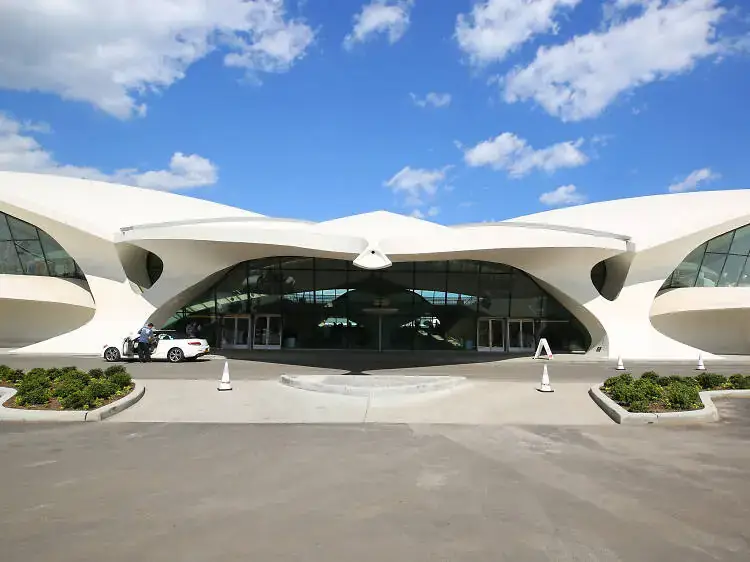
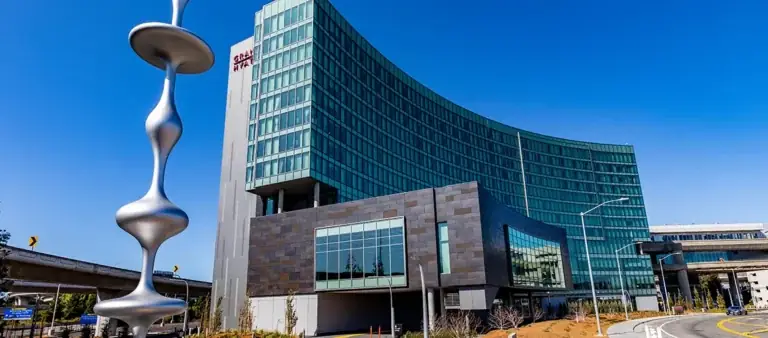
The 2020-2026 era has been defined by the “Human-Centric Retrofit.” Following a global shift in travel priorities, U.S. airports began investing billions in “High-Fidelity Terminals.” This era saw the introduction of terminal-integrated hotels, such as the Grand Hyatt at SFO and the TWA at JFK, which redefined the airport as a destination. The evolution moved from “Throughput” to “Engagement.” Advanced American hubs operate as ‘Multi-Modal Ecosystems’ that integrate aviation, luxury hospitality, and public art; this structure transforms the ‘Stopover’ into a primary pillar of modern mobility rather than a mere transit delay.
Conceptual Frameworks and Mental Models
1. The “Zero-Modality” Framework
This model posits that the value of a luxury stopover is inversely proportional to the number of transportation modes required to reach the bed. A “Zero-Modality” experience (walking from gate to room) is the gold standard. Every additional mode (AirTrain, shuttle, Uber) increases “Cognitive Load” and “Logistical Risk.”
2. The “Biophilic Integration” Framework
A mental model for assessing environmental quality. It evaluates the ratio of “Organic Elements” (natural light, indoor flora, outdoor air access) to “Industrial Elements.” High-performing hubs like PDX or SFO utilize these elements to lower the traveler’s cortisol levels, facilitating a faster recovery from “Cabin Stress.”
3. The “Temporal Arbitrage” Logic
In this framework, the stopover is viewed not as an expense, but as a purchase of time. If a 12-hour stopover in a luxury node prevents two days of jet lag fog at the final destination, the “Arbitrage” favors the stopover. This is a common logic for high-performance professionals.
Key Categories and Variations
The American landscape is categorized by hubs that excel in specific operational niches.
| Category | Typical Hubs | Primary Value | Trade-off |
| Integrated Sanctuary | SFO, DEN, DFW | Zero-shuttle risk; High-end dining | Premium pricing; Lower availability |
| Historical Immersion | JFK (TWA), ORD | Iconic aesthetics; Immersive history | Sprawling footprints; Requires transfers |
| Wellness-Centric | MIA, ATL, SEA | Salt rooms; Yoga; Spa-intensive | Often located in busy, loud terminals |
| Artisanal/Localized | PDX, AUS, MSY | Regional “Soul”; Local craft | Smaller scale; Fewer long-haul gates |
| Vantage-Point Luxury | PHX, LAX | Runway views; Spotter-friendly | Can be loud; Requires specific wings |
Realistic Decision Logic: The “Recovery-Yield” Pivot
When selecting among luxury stopover destinations, the USA offers a traveler should prioritize based on their “Pre-Arrival Fatigue.” If arriving from a 12-hour transpacific leg, an “Integrated Sanctuary” is mandatory to avoid the “Shuttle-Stress” of a perimeter hotel. If the stopover is a mid-day interlude on a domestic route, an “Artisanal/Localized” hub provides a better “Sensory Reset.”
Detailed Real-World Scenarios
The “Polar-Route” Reset in San Francisco (SFO)
A traveler lands from Singapore at 7:00 PM with a 14-hour layover before New York.
-
The Conflict: Severe circadian desynchronization and “Cabin Dehydration.”
-
The Experience: Direct AirTrain access to the Grand Hyatt SFO. The room features motorized blackout shades and triple-pane soundproofing.
-
The Outcome: The traveler utilizes the “Metabolic Reset” breakfast and boards the 9:00 AM transcontinental flight with a synchronized baseline, effectively “erasing” the transpacific lag.
The “Design-Immersive” Interlude at JFK
A traveler has a 10-hour daytime layover between London and Mexico City.
-
The Constraint: High “Boredom Risk” and a need for cultural engagement.
-
The Experience: Utilizing the TWA Hotel’s “Day-Stay” program. Spending the afternoon at the rooftop infinity pool overlooking the runways.
-
The Result: The stopover becomes a “Mini-Vacation.” The second-order effect is a reduction in travel-induced anxiety, converting a logistical gap into a highlight of the itinerary.
Planning, Cost, and Resource Dynamics
The economics of a luxury stopover involve a “Convenience Premium.”
| Resource | Typical Range (2026) | Nature of Cost |
| Terminal-Integrated Room | $450 – $850 | Fixed High (Premium for zero-shuttle) |
| Day-Use Access (4-6 hrs) | $150 – $300 | Tactical (Yield-management based) |
| Artisanal Terminal Dining | $60 – $120 | Variable (Regional “Slow-Food”) |
| VIP Security/Lounge Combo | $100 – $250 | Service (Friction reduction) |
Range-Based Authorization
A sophisticated traveler should authorize a 25% “Friction-Premium” on their travel budget specifically for the stopover. This is an investment in “Post-Travel Performance.” The integrated hotel liquidates the hidden costs of luxury stopover destinations in the USA; by eliminating Uber transit and excising commute decay, the property reinvests that saved time directly into the traveler’s productive output.
Tools, Strategies, and Support Systems
-
“Day-Rate” Aggregators: Specialized platforms for booking 4–8 hour windows in luxury airport hotels.
-
Acoustic-Mapping Feedback: Using recent reviews to identify which wings of an integrated hotel are furthest from engine-test areas.
-
TSA PreCheck/Clear Ecosystems: Essential for “Landside-to-Airside” fluidity if visiting terminal-integrated hotels.
-
Airport-Specific Apps: Monitoring “Live-Flow” data to see wait times at high-end terminal spas or salt rooms.
-
Priority Pass/Lounge-Integrated Hotels: Identifying properties that offer lounge access as a “Stay-Benefit” to bridge the gap between room checkout and flight boarding.
-
“Minute-Suites” and Nap-Pods: Strategic use of airside micro-lodging for stopovers under 4 hours where a full hotel room isn’t justified.
-
Biometric Check-in: Utilizing facial recognition to expedite hotel check-in and re-entry to the terminal.
-
“Slow-Food” Pre-Ordering: Utilizing terminal apps to ensure a high-quality, nutritious meal is ready exactly when you deplane.
Risk Landscape and Failure Modes
-
The “Security-Bottleneck” Re-entry: Leaving the secure zone for an integrated hotel and finding a 60-minute TSA queue. Mitigation: Only leave the secure zone if you have Clear or TSA PreCheck.
-
The “Terminal-Trap” Distance: Arriving at Terminal A and wanting to eat at a restaurant in Terminal D. Risk: Miscalculating inter-terminal transit time and missing the flight.
-
The “Systemic Grounding” Inventory Vanish: During a weather event, terminal hotels sell out in minutes. Strategy: Maintain a “Shadow Booking” for the stopover if the weather is predicted.
-
The “Acoustic Breach”: Older terminal properties may have deteriorating window seals, allowing engine “Whine” to penetrate. Monitoring: Check “Acoustic Integrity” specific reviews from the last 90 days.
Governance and Long-Term Adaptation
The quality of a stopover destination is not static; it requires “Operational Maintenance” by the airport authority.
-
Review Cycles: Quarterly audits of “Wayfinding Clarity” to ensure passengers can find integrated amenities without stress.
-
Acoustic Floor Monitoring triggers an immediate structural intervention when ambient noise breaches the 65 dB threshold; this activates ‘Silence Zones’ and deploys sound-dampening architecture to restore the terminal’s environmental baseline.
-
Culinary Rotation: Ensuring that “Regional Artisanal” offerings don’t become stale, maintaining the “Destination” appeal for frequent flyers.
Measurement, Tracking, and Evaluation
-
Leading Indicator: “G-to-B Time” (Gate-to-Bed). The time elapsed from deplaning to lying down in the hotel room. A score under 15 minutes is elite.
-
Lagging Indicator: “Post-Stay Cognitive Delta”—User feedback on whether the traveler felt “Synchronized” or “Foggy” 24 hours after the stopover.
-
Qualitative Signal: “Cultural Resonance”—How much the traveler feels they have “Experienced the City” despite never leaving the hub perimeter.
Common Misconceptions and Oversimplifications
-
Myth: “Airport food is always poor quality and overpriced.” Correction: Most luxury stopover destinations in the USA hubs now feature Michelin-starred chefs and “Street-Price” guarantees.
-
Myth: “Leaving the airport is always better for a long layover.” Correction: In cities with heavy traffic (LAX, JFK), the stress of transit often outweighs the benefit of seeing the city; the “Integrated Hub” is superior for recovery.
-
Myth: “Luxury is just about lounge access.” Correction: Lounges provide “Dwell,” but true luxury stopovers provide “Restoration” (private showers, beds, and quiet).
-
Myth: “Integrated hotels are only for the 1%.” Correction: When factoring in the cost of city hotels, taxis, and the “Cost of Exhaustion,” integrated hotels are a rational choice for the upper-middle-class professional.
-
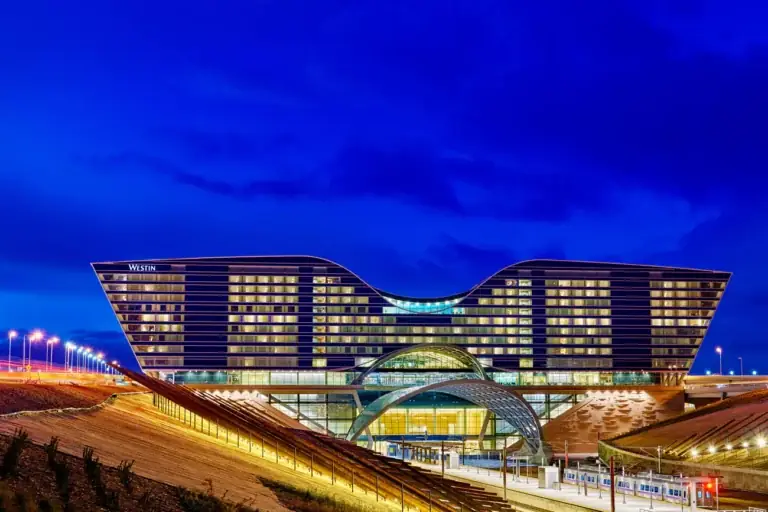
Myth: “You can’t get a quiet room in an airport.” Correction: Modern terminal hotels (like Westin DEN) use specialized glazing that makes them quieter than a typical downtown hotel.
-
Myth: “All U.S. hubs are the same.” Correction: There is a massive “Quality-Gap” between modern hubs (SFO, PDX) and legacy hubs (LGA, MIA), though this is closing as retrofits continue.
Ethical and Practical Considerations
As airports evolve into “Luxury Stopover” hubs, there is an emerging discussion regarding “The Privatization of Quiet.” As top-tier experiences become pay-walled through lounges and private suites, the “Common-Zone” traveler faces a louder, more stressful environment. Practically, travelers should support “Open-Access” amenities like terminal parks and art installations that elevate the experience for everyone, ensuring that the American hub remains a civic asset rather than a strictly commercial one.
Conclusion
The transformation of luxury stopover destinations, USA hubs, represents the final maturation of the American aviation network. We have moved from the “Pipeline” model of transit into a “Sanctuary” model. For the sophisticated traveler, the stopover is no longer a gap in their life, but a deliberate and restorative interlude. By prioritizing “Zero-Modality” access, “Acoustic Sovereignty,” and “Regional Authenticity,” the modern hub has reclaimed the “Wait” as a period of high-value life. The journey is no longer about the time spent between cities; it is about the quality of the life lived within the intervals.