Best Transit Hotel Options: The 2026 Definitive Pillar Guide to Recovery
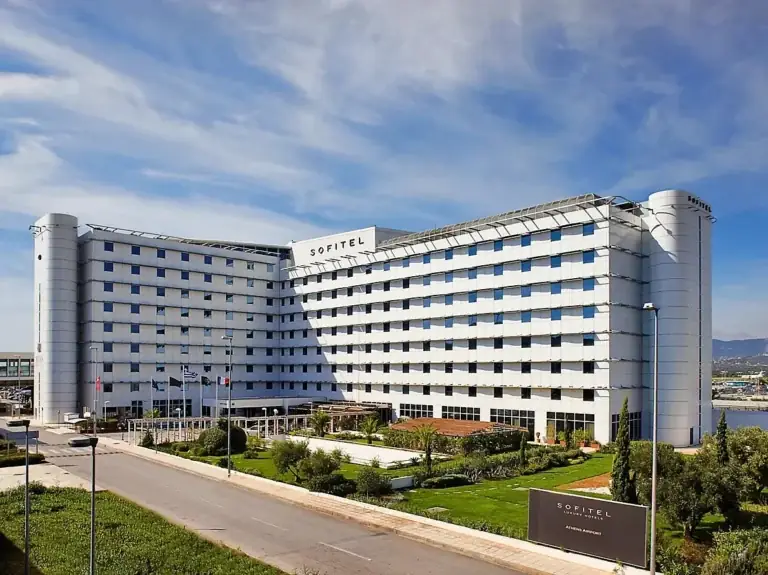
The definition of a successful transit stay has undergone a fundamental architectural and operational shift as we move deeper into 2026. The traditional “airport hotel”—often a generic, landside mid-tier asset characterized by aging upholstery and the dull roar of distant runways—is being systematically replaced by the “Hyper-Fidelity Transit Hub.” These new environments are designed not merely for accommodation, but for “Biological and Professional Restoration.” For the modern high-frequency traveler, the best transit hotel options are those that function as a seamless extension of the terminal’s secure zone, providing a radical decoupling from the logistical friction of global movement.
Addressing the Modern Recovery Deficit
This evolution is driven by the “Recovery Deficit” of the modern mobile workforce. When a layover is restricted to a window of six to twelve hours, every minute lost to immigration queues, shuttle bus latency, or check-in friction represents a tangible loss of physiological resources.
Consequently, the industry is witnessing a surge in “Airside” development, where the transit facility exists within the sterile zone of the airport. These properties utilize medical-grade air filtration, circadian-tuned lighting, and acoustic isolation techniques borrowed from high-end recording studios to ensure that even a four-hour “Power Stay” delivers the restorative value of a full night’s rest.
Hardware Integrity and Frictionless Utility
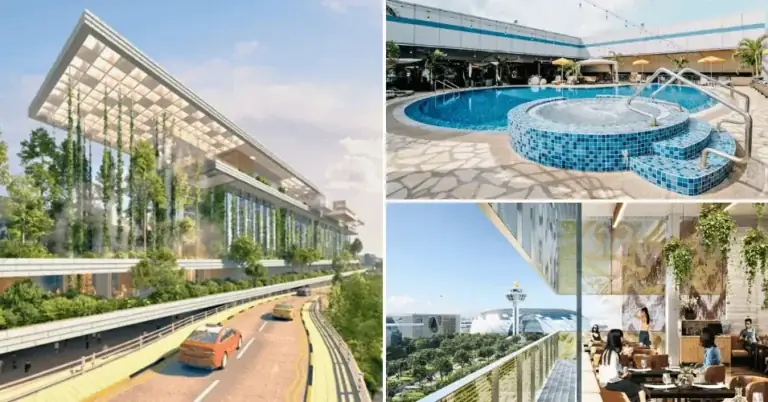
To master this specialized sector, one must look beyond star ratings and brand names toward “Hardware Integrity.” A premier transit facility is a mechanical system engineered to neutralize the negatives of the travel experience: noise, jet lag, and digital vulnerability. Whether it is a luxury suite at the Changi Jewel or a high-tech pod at London Heathrow, the definitive reference for quality is now measured by “Frictionless Utility.” This analysis provides a rigorous deconstruction of the frameworks, categories, and scenarios that define the pinnacle of the global transit residency.
Understanding “best transit hotel options”
To provide a rigorous analysis of the best transit hotel options, one must first dismantle the “Proximity Fallacy.” There is a persistent misunderstanding that a hotel’s value is purely a function of its distance from the airport gate. While physical proximity is a critical baseline, a multi-perspective explanation reveals that “Functional Proximity” is the superior metric.
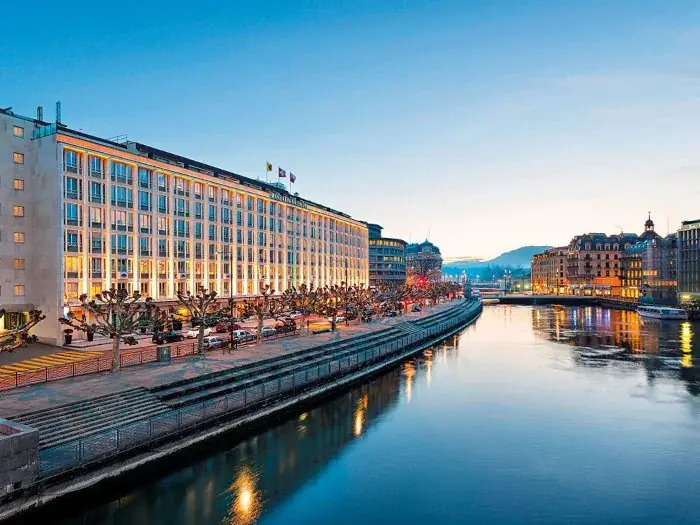
A hotel located five miles away with a dedicated, zero-latency high-speed shuttle may offer a more restorative experience than a landside hotel that requires a twenty-minute walk through a disorganized parking garage. The best options provide “Gate-to-Bed Connectivity,” where the architecture itself is a bridge between the kinetic world of flight and the static world of rest.
Atmospheric Sovereignty and Invisible Hardware
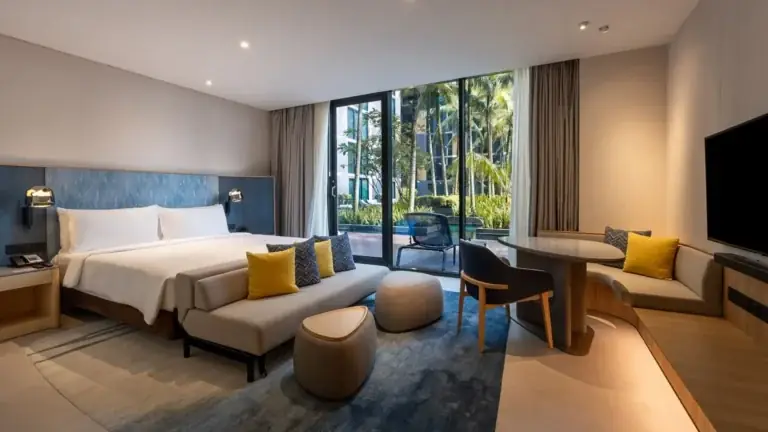
Oversimplification risks often manifest in the “Visual Bias” of modern digital reviews. Many travelers select transit lodging based on lobby aesthetics or room size. However, in the high-velocity sector, “Atmospheric Sovereignty” is the defining variable. A large suite with poor acoustic isolation from the jet bridge is a strategic failure.
High-fidelity options prioritize “Invisible Hardware”—mass-loaded vinyl in the walls to block low-frequency engine hum and HEPA-H14 air handlers that completely refresh the room’s oxygen supply every few minutes. These features are rarely visible in marketing photos but are the primary drivers of guest recovery.
Temporal Fluidity and Micro-Stay Economics
Furthermore, a sophisticated understanding of these spaces requires an evaluation of “Temporal Fluidity.” In the premier tier of transit hospitality, the traditional check-in/check-out model is obsolete. The most advanced options utilize “Micro-Stay Pricing,” allowing guests to book by the hour.
This flexibility is supported by an “Invisible Service Layer” where biometric access and pre-arrival climate synchronization ensure the room is ready for occupancy the moment the guest’s flight touches down. Authentic excellence in this sector is defined as “Silent Fulfillment,” where the facility operates as a high-performance utility rather than a traditional hospitality asset.
Deep Contextual Background: From the Bunkhouse to the Bio-Buffer
The history of the American and global transit hotel is a narrative of “Increasing Insulation.” In the “Gilded Age” of rail travel, transit lodging was communal and social—large station hotels where travelers mixed with the public in grand dining rooms. By the mid-20th century, the “Motel Era” brought privatization but at the cost of environmental quality, with rooms often exposed to the noise and fumes of burgeoning highway and runway systems.
Entering 2026, the sector has entered the “Bio-Buffer” phase. The contemporary flagship is no longer just a place to sleep; it is a “Metabolic Accelerator.” As air travel has become more taxing—marked by increased density and environmental stress—the transit hotel has evolved into a high-tech sanctuary. Modern facilities like the Crowne Plaza Changi or the Fairmont Vancouver Airport are now “Architectural Filters,” using biophilic design and advanced MEP (Mechanical, Electrical, and Plumbing) systems to scrub the guest’s environment of toxins and noise, effectively pausing the external world to allow for rapid human recalibration.
Conceptual Frameworks: Metrics of Temporal Hospitality
1. The “Acoustic Floor” Framework
This model posits that the value of a transit stay is inversely proportional to its “Ambient Noise Floor.” A flagship option must achieve a “Library-Grade” decibel level (under 25 dB) through the use of triple-layered glazing and decoupled structural framing. In a transit environment, “Silence” is the primary currency.
2. The “Circadian Sovereignty” Model
A mental model for assessing “Biological Alignment.” Transit planning must account for the guest’s internal clock. The best facilities use tunable lighting arrays that can either trigger alertness for a short layover or induce deep melatonin production for a full sleep cycle, neutralizing the “Blue Light Toxicity” of the terminal.
3. The “Friction-to-Fulfillment” Ratio
This framework analyzes the “Logistical Throughput” of the stay. It measures the time elapsed from “Gate Arrival” to “Horizontal Rest.” The most effective options minimize this ratio through biometric access and automated luggage transfer, aiming for a “Zero-Lag” experience.
Key Categories: Mapping the Global Transit Footprint
The implementation of elite transit concepts varies by location, but the core “Utility Logic” remains consistent across the most successful facilities.
Realistic Decision Logic: The “Lapse Filter”
When selecting from the best transit hotel options, the “Layover Window” is the primary decision filter. For windows under six hours, an “Airside Pod” is mathematically superior due to the elimination of immigration time. For windows exceeding twelve hours, a “Landside Flagship” with natural light and full wellness facilities is preferred to facilitate a complete circadian reset.
Detailed Real-World Scenarios
The “Six-Hour” Recovery Cycle in Dubai
A creative lead has a six-hour layover between London and Tokyo.
-
The Failure: Booking a “Luxury” hotel fifteen minutes from the airport. Travel and immigration consume three hours, leaving only ninety minutes for rest after settling in.
-
The Logic: The guest utilizes an “Airside Pod” with biometric access. They are in a controlled sleep environment within fifteen minutes of deplaning, maximizing their “Recovery Window” to five full hours of deep rest.
The “Negotiation” Hub at Heathrow
A legal team uses a transit suite for a confidential briefing during a four-hour connection.
-
The Constraint: Standard airport lounges are too public for sensitive disclosures.
-
The Correction: They book a “Professional Atelier” suite at an airside facility that features “Acoustic Vestibules” and TEMPEST-shielded Wi-Fi nodes, ensuring total digital and auditory privacy.
Planning, Cost, and Resource Dynamics
The economics of high-performance transit lodging involve “High-Frequency Capitalization.” Rooms are often “flipped” multiple times per twenty-four-hour period.
Range-Based Authorization (Micro-Stay Dynamics)
Travel managers should authorize a “Flex-Budget” of 130% to 150% of the base rate. In transit hospitality, the “incidentals” often include high-value recovery tools—such as intravenous hydration or light-therapy sessions—that are critical for maintaining executive performance across multiple time zones.
Tools, Strategies, and Support Systems
-
The “Director of Throughput” Liaison: A specialized role that monitors flight schedules in real-time to ensure “Zero-Latency” room readiness.
-
Digital Twin Monitoring: Maintaining a digital replica of the suite to track “Atmospheric Drift” (CO2 and humidity levels) during the stay.
-
HEPA-H14 Filtration Standards: Ensuring air quality is superior to the terminal environment, with real-time reporting available on the guest’s personal device.
-
“Silent-Flow” HVAC Design: Utilizing oversized, low-velocity ducts to eliminate the “hiss” of standard climate control systems.
-
TEMPEST Shielding: Integrating electromagnetic shielding into the wall assemblies for sovereign or high-security professional residencies.
-
“Pre-Sync” Metabolic Architecture: Allowing the suite’s environment (temp/light) to be pre-synchronized to the guest’s upcoming destination 72 hours before arrival.
-
Biometric “Gate-to-Bed” Access: Replacing physical keys with facial or retinal recognition to remove “Check-in Friction.”
-
Status-Based “Shadow Inventory”: Managing “Unpublished” pods reserved only for extreme distress or high-value recovery needs.
Risk Landscape: The Taxonomy of Logistical Decay
-
The “Security Lag” Failure: Planning a transit stay landside without verifying “Fast-Track” security lanes, potentially leading to missed connections.
-
The “Infrastructure Rust” Trap: Properties that look excellent in photos but have “Low-Fidelity” plumbing or erratic HVAC due to terminal-vibration stress.
-
The “Acoustic Breach”: Booking a room adjacent to service elevators or ice machines, which can ruin a recovery cycle in an otherwise quiet facility.
-
The “Smart-Friction” Failure: Technology that requires a learning curve. If a jet-lagged guest cannot turn off all lights with a single physical “Kill Switch,” the facility has failed.
Governance, Maintenance, and Long-Term Adaptation
A successful transit asset requires “Rigorous High-Frequency Governance”:
-
Monitoring: Weekly “Decibel Audits” and “Air Quality Tests” to ensure the “Atmospheric Baseline” hasn’t drifted.
-
Review Cycles: Re-evaluate the “Digital Stack” every 12 months. Wellness and data security tech move at 3x the speed of traditional hotel renovation cycles.
-
Adjustment Triggers mandate a recalibration of staffing or hardware if ‘Turnover Latency’ exceeds 15 minutes, ensuring the facility maintains its ‘Micro-Stay’ utility.
Measurement, Tracking, and Evaluation
Cognitive Recovery Time measures planning efficacy, tracking how rapidly a resident reclaims their high-performance baseline.
-
Leading Indicator: “Frictionless Arrival Time”—The minutes elapsed from the terminal gate to horizontal rest.
-
Lagging Indicator: “Metabolic Reset”—Measurement of Heart Rate Variability (HRV) lift post-stay using integrated room sensors.
-
Qualitative Signal: “The Invisible Hand”—The guest’s perception that the stay was a “Missing Link” rather than a disruptive chore.
Common Misconceptions and Oversimplifications
-
Myth: “Transit hotels are just for sleeping.” Correction: They are “Recovery Systems.” Planning must include hydration and hygiene as equal priorities.
-
Myth: “Cheaper is better for a quick nap.” Correction: Low-cost options often have poor CO2 scrubbing, leading to “Brain Fog” upon waking.
-
Myth: “Airside hotels are always superior.” Correction: For layovers over twelve hours, landside hotels with “Green Space” are often superior for long-term circadian reset.
-
Myth: “Technology should be the focus.” Correction: “Intuition” is the focus. Tech should be silent, invisible, and require zero input.
-
Myth: “Capsules are claustrophobic.” Correction: Correctly planned pods use “Perceived Volume” through light and mirrors, providing a high-fidelity womb-like rest environment.
-
Myth: “All water is the same.” Correction: Flagship options plan for “Multi-Stage Filtration” at the tap to combat the dehydration of long-haul flights.
Ethical and Practical Considerations
In the context of the best transit hotel options, “Environmental Stewardship” is critical. Operating a climate-controlled fortress inside a terminal is energy-intensive. Modern hospitality involves “Passive Strategies”—using high-performance insulation and “Smart Glass” to reduce the mechanical load. An ‘Ethically Planned’ facility—integrating high staff-safety standards and low chemical outgassing—creates a more restorative environment for physically vulnerable transit guests.
Conclusion
The pursuit of the perfect transit residency is an exercise in “Architectural Intellect.” As the global network becomes increasingly volatile, the value of the “Controlled Environment” will only appreciate. By moving past “Surface-Level Comfort” and focusing on “Acoustic Rejection,” “Biological Recovery,” and “Logistical Seamlessness,” the modern traveler ensures that their environment is a tool for professional and physiological longevity. The pinnacle of transit hospitality emerges where the terminal’s kinetic energy and the fortress’s silent recovery achieve a state of perfect, seamless equilibrium.