How to Manage Sleep Deprivation During Travel: The 2026 Resilience Guide
The hyper-connectivity of the modern world has outpaced the evolutionary biology of human rest. As we move across meridians at near-sonic speeds, the delicate synchronization between our internal circadian oscillators and the external light-dark cycle is subjected to a violent decoupling. This is not merely a matter of feeling “tired”; it is a systemic physiological crisis. Sleep deprivation during travel represents a temporary but profound cognitive impairment, affecting executive function, emotional regulation, and metabolic stability. For the high-stakes professional or the long-haul voyager, the ability to mitigate this deficit is a critical performance variable that determines the success of the entire journey.
In the contemporary landscape, the “Sleep Gap” has become a structural feature of international movement. The aviation industry, designed for throughput and kinetic efficiency, often treats human rest as a secondary consideration—a luxury to be monetized through premium cabin upgrades or airport-adjacent residencies. Consequently, the burden of maintaining neurological integrity falls entirely on the individual. Navigating this challenge requires more than just a set of “hacks”; it requires a deep understanding of the “Circadian Pivot”—the specific neurological points where light exposure, temperature regulation, and chemical intervention intersect to simulate a state of rest.
Achieving physiological sovereignty in transit involves a shift from passive endurance to “Active Neurological Management.” It is the process of treating sleep as a manageable resource rather than an uncontrollable consequence of the schedule. This involves deconstructing the transit environment, identifying the “Sleep Saboteurs” inherent in pressurized cabins and high-decibel terminals, and utilizing specialized tools to create a “Biological Buffer.” This definitive reference explores the frameworks, scenarios, and strategic interventions necessary to sustain performance when the sun and the clock no longer align.
Understanding “how to manage sleep deprivation during travel”
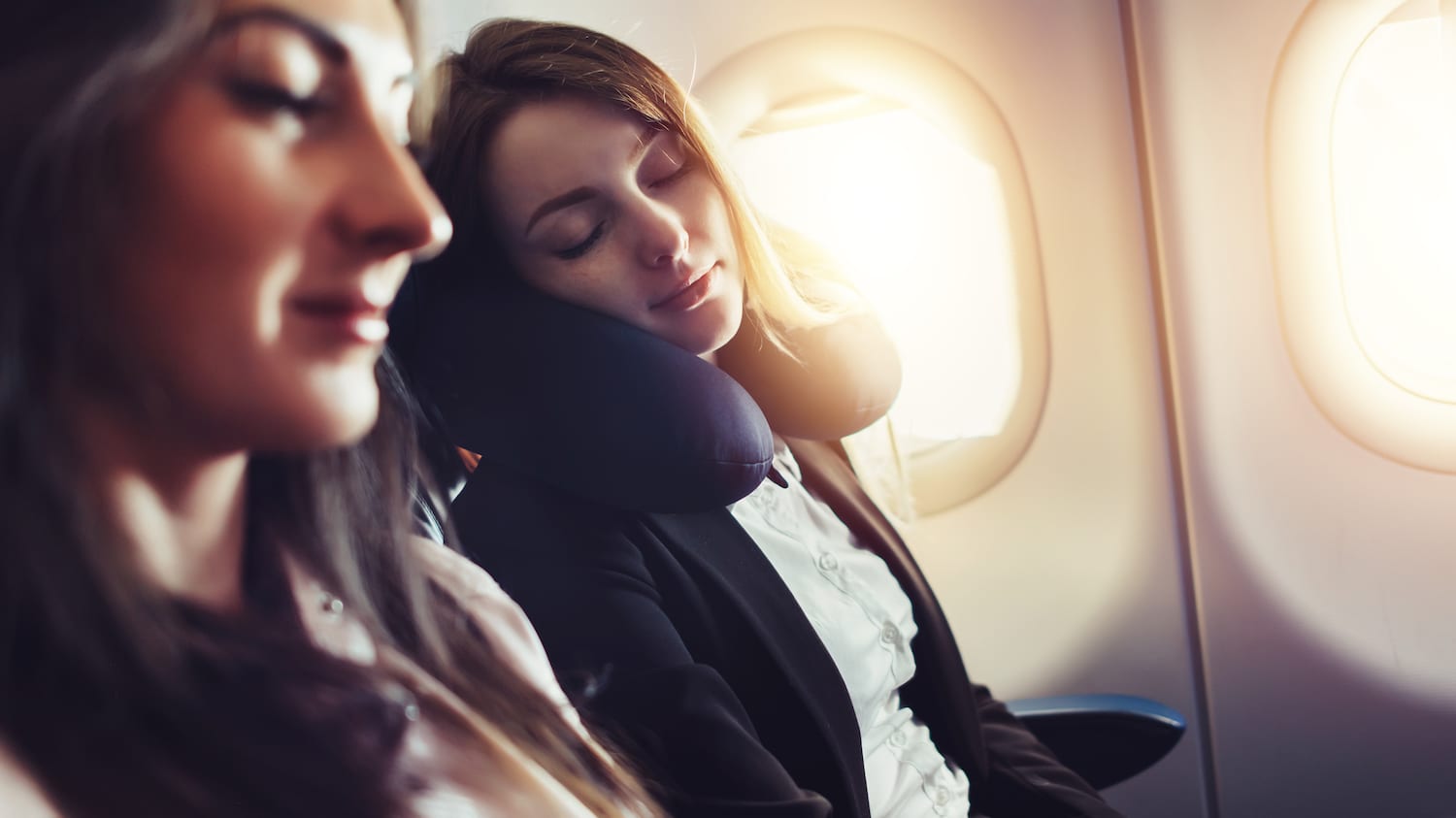
To rigorously deconstruct how to manage sleep deprivation during travel, one must first dismantle the “Sleep Bank Myth.” There is a persistent misunderstanding that one can “pre-sleep” or “bank” rest hours prior to a journey to offset the coming deficit. Neurology suggests otherwise; sleep is a homeostatic process, not a deposit account. A multi-perspective explanation reveals that effective management is actually an exercise in “Allostatic Load Reduction”—minimizing the external stressors (noise, light, dehydration) that compound the cognitive cost of wakefulness, thereby allowing the brain to operate on a lower “energy floor” until a true recovery window opens.
Oversimplification risks often manifest in the “Caffeine-Correction Fallacy.” Travelers frequently attempt to mask the symptoms of deprivation with high-dose stimulants, ignoring the “Adenosine Backlog” that continues to build. When the stimulant fades, the resulting “Sleep Pressure” hits with a compounding intensity that can lead to total cognitive collapse or “Micro-sleeps”—seconds-long lapses in consciousness that are particularly dangerous in transit. Authentic mastery involves a “Titrated Intervention” strategy, using stimulants only to bridge critical performance gaps while simultaneously priming the body for “Opportunistic Rest” whenever the environment allows.
Furthermore, a sophisticated approach requires an evaluation of “Atmospheric Sovereignty.” The pressurized environment of a commercial aircraft (simulating 6,000 to 8,000 feet of altitude) naturally reduces blood oxygen saturation, which in turn exacerbates feelings of fatigue and mental fog. Managing sleep deprivation is therefore inextricably linked to “Hypoxic Mitigation.” By focusing on aggressive hydration and specific breathing techniques, a traveler can maintain a higher baseline of alertness, making the eventual transition to a new time zone a matter of “Systemic Alignment” rather than a desperate struggle for survival.
Deep Contextual Background: The Industrialization of the Wake Cycle
The history of travel-induced exhaustion is a narrative of increasing velocity. In the era of maritime travel, the slow pace of movement allowed the human circadian rhythm to adapt naturally to changing longitudes. The “Jet Age,” beginning in the late 1950s, introduced the first true systemic crisis of rest. For the first time, humans could traverse eight time zones in a single day, a feat for which our biological hardware has no natural defense. This gave birth to the term “Jet Lag,” a colloquialism for what is medically known as Circadian Rhythm Sleep-Wake Disorder.
Entering 2026, we have reached the phase of “Ultra-Long-Haul Saturation.” Flights exceeding 17 hours are now common, creating a “Perpetual Twilight” where the traditional markers of day and night are completely erased. The industry response has moved from simple pillows to “Circadian Lighting” systems in cabins and “Biophilic Transit Hotels” in hubs. However, the commercialization of rest has created a “Rest Tiering” system, where high-fidelity recovery is often locked behind premium pricing. For the modern voyager, the challenge is to replicate these “High-Fidelity” conditions through portable technology and behavioral discipline.
Conceptual Frameworks and Mental Models
1. The “Circadian Anchor” Framework
This model posits that even during total disruption, the body requires one “Anchor Point”—a consistent 4-hour window where the core body temperature is allowed to drop, and the brain enters a low-stimulation state. Finding this anchor during a 24-hour transit cycle is the primary goal of the strategic traveler.
2. The “Metabolic Buffer” Model
A mental model for assessing “Recovery Debt.” It calculates the cumulative impact of altitude, alcohol, and processed sugars on the brain’s ability to enter deep sleep. By maintaining a “Clean Metabolism” during the transit interval, the traveler ensures that when they finally reach a bed, the sleep quality is “High-Efficiency” rather than “Subsidized Sedation.”
3. The “Sleep Architecture” Partitioning
A framework for unbundling rest into “Micro-Recovery” (15–20 minute naps for alertness) and “Macro-Recovery” (90-minute full cycles for cognitive repair). Knowing which tool to deploy based on the remaining “Transit Duration” prevents the grogginess of sleep inertia during critical connections.
Key Categories: Mapping the Rest-and-Recovery Ecosystem
Managing a rest deficit involves a trade-off between “Immediate Alertness” and “Long-Term Adaptation.”
| Category | Typical Intervention | Primary Risk | Physiological Result |
| Pharmacological Bridge | Melatonin / Stimulants | “Hangover” effect | Chemical synchronization |
| Photic Signaling | Blue-light-blocking/exposure | Timing errors | Melatonin suppression/release |
| Thermal Regulation | Cooling socks / warm masks | Overheating | Core temperature drop for sleep |
| Acoustic Isolation | ANC Headphones / Pink Noise | Missed announcements | Reduced cortical arousal |
| Metabolic Fasting | Time-restricted eating | Blood sugar crashes | Digestive clock reset |
| Opportunistic Napping | 20-minute “Power Naps.” | Sleep inertia | Temporary alertness boost |
Detailed Real-World Scenarios
The “Red-Eye” Executive Sprint
A traveler flies from San Francisco to New York, arriving at 6:00 AM for a 9:00 AM meeting.
-
The Failure: Attempting to sleep for 4 hours on the plane without light control, followed by three cups of coffee upon arrival.
-
The Correction: They utilize “Dark-Window” goggles on the flight to maximize melatonin. Upon landing, they seek high-intensity blue light (natural or artificial) for 20 minutes to “Hard-Stop” the sleep cycle and use a 10mg caffeine strip 30 minutes before the meeting for targeted alertness.
The “Ultra-Long-Haul” Layover in Singapore
A passenger has a 14-hour layover after a 13-hour flight, with another 10 hours of flying ahead.
-
The Constraint: Checking into a hotel for 12 hours can lead to “Premature Adjustment,” making the second flight a nightmare of wakefulness.
-
The Correction: They use a “Split-Rest” strategy. They stay active in the biophilic zones of the airport (Changi) to stay aligned with the destination time zone, only taking a 90-minute “Full-Cycle” nap in a transit hotel during the destination’s “Late Night” equivalent.
Planning, Cost, and Resource Dynamics
The economics of sleep management involve the “Price of Neurological Fidelity.”
| Resource | Nature | Variability | Cost Profile |
| ANC Headphones | Hardware | Fixed | $250 – $550 |
| Blue-Light Glasses | Tool | Low | $40 – $100 |
| Transit Hotel | Space | High | $150 – $250 (per block) |
| Melatonin/Supplements | Consumable | Low | $10 – $30 |
Range-Based Authorization
For high-value travel, authorize a “Rest Budget” of $200 per long-haul segment. This is not for luxury, but for “Functional Infrastructure”—access to a shower, a quiet dark room, or high-fidelity noise cancellation. The cost of a “Sleep-Deprived Decision” in a professional context almost always exceeds the cost of the intervention.
Tools, Strategies, and Support Systems
-
High-Fidelity Noise Cancellation: Utilizing Active Noise Cancelling (ANC) to block the 80dB constant drone of jet engines, which keeps the brain in a state of low-level “Hyper-Vigilance.”
-
Circadian-Aware Lighting: Using apps to calculate precisely when to seek light and when to wear “Total-Block” shades based on the destination longitude.
-
The “20-Minute” Nap Ceiling: Strictly limiting naps during transit to 20 minutes to avoid entering “Stage 3” deep sleep, which causes profound grogginess if interrupted.
-
Temperature Sequencing: Using cooling gel packs or warm foot baths (in lounges) to trigger the body’s natural sleep onset via “Vasodilation.”
-
Hydration Multipliers: Using electrolyte salts to maintain blood volume, countering the “Desiccating Effect” of cabin air that mimics the symptoms of exhaustion.
-
Time-Restricted Feeding: Aligning the “Digestive Clock” by only eating during the daylight hours of the destination, even if it means fasting through the in-flight meal service.
-
Magnesium Supplementation: Utilizing transdermal or oral magnesium to facilitate muscle relaxation and mitigate the “Restless Leg” syndrome common in cramped seating.
-
Biophilic Exposure: Seeking out green spaces or “Natural Light” atriums in modern hubs to provide the brain with “Real-World” environmental cues.
Risk Landscape: The Taxonomy of Cognitive Decay
-
The “Micro-Sleep” Threshold: The point where the brain begins to flicker into sleep for 1-3 seconds. This is a primary risk during terminal navigation or driving a rental car.
-
Emotional “Thinning”: Sleep deprivation strips the prefrontal cortex’s control over the amygdala, leading to irrational frustration with airport staff or logistical setbacks.
-
The “Immunity Gap”: Sleep loss suppresses “Natural Killer” cell activity; travel exhaustion is often the primary precursor to the “Post-Trip Illness.”
-
Decision Fatigue: The compounding effect of making 100+ small logistical choices while in a state of rest deficit, leading to major errors like missing a gate or losing a passport.
Governance, Maintenance, and Long-Term Adaptation
To maintain long-term neurological health across a career of travel, the professional must adopt “Sleep Governance”:
-
Monitoring: Using wearables to track “Recovery Scores” rather than just sleep duration.
-
Review Cycles: Auditing “Post-Trip Fog” every six months to see if specific routes or carriers are causing disproportionate deficits.
-
Adjustment Triggers: If a journey exceeds 36 hours of total transit, a mandatory 12-hour “Air-Gap” (no work, no meetings) must be enforced upon arrival.
Measurement, Tracking, and Evaluation
-
Leading Indicator: “Pre-Arrival Melatonin Onset”—The timing of your first dark-window period relative to the destination night.
-
Lagging Indicator: “Cognitive Baseline Delta”—The difference in your reaction time or memory recall post-travel versus your home baseline.
-
Qualitative Signal: “The Irritability Index”—Monitoring your internal reaction to minor logistical friction as a proxy for prefrontal cortex fatigue.
Common Misconceptions and Oversimplifications
-
Myth: “Alcohol helps you sleep on a plane.” Correction: Alcohol is a potent “Sleep Fragmenter”; it sedates the brain but prevents REM and Deep Sleep, leaving you more tired.
-
Myth: “I can catch up on sleep over the weekend.” Correction: “Sleep Debt” is not perfectly fungible; the inflammatory markers of a week of deprivation cannot be “washed away” in two nights.
-
Myth: “Exercise during a layover will wake you up.” Correction: Intense exercise increases core temperature and cortisol, which can actually make it harder to sleep on the second leg of a journey.
-
Myth: “Melatonin is a sleeping pill.” Correction: It is a “Darkness Signal,” not a sedative. It tells the brain it is night, but it won’t “knock you out” in a high-decibel environment.
-
Myth: “The best way to adapt is to stay awake until 9:00 PM.” Correction: Forcing wakefulness through extreme exhaustion creates “Cortisol Spikes” that can actually lead to insomnia once you finally get to bed.
-
Myth: “Airport lounges are for luxury.” Correction: Lounges are “Recovery Nodes” that provide the acoustic and thermal stability required to maintain neurological integrity.
Ethical and Practical Considerations
Managing sleep is an act of “Professional Responsibility.” Operating in a state of deep deprivation is functionally equivalent to operating under the influence of alcohol. For those in leadership or high-consequence roles, the “Heroism” of the sleepless traveler is actually a liability. Practically, “High-Fidelity Rest” is a sustainable resource. Prioritizing it is not a sign of weakness, but a sign of “Operational Maturity.” It recognizes that the human brain, while adaptable, is still a biological organ with specific environmental requirements that cannot be ignored without significant, compounding costs.
Conclusion
The mastery of travel-induced sleep deprivation is found in the “Synthesis of Biology and Logistics.” As we continue to shrink the globe through ultra-long-haul aviation, the ability to protect one’s neurological baseline is the ultimate competitive advantage. By moving past ‘Surface-Level Endurance’ and embracing ‘Circadian Sovereignty,’ modern travelers protect their mental clarity from the toll of physical movement. Travel performance reaches its pinnacle not in the speed of the arrival, but in the integrity of the mind that steps off the aircraft.