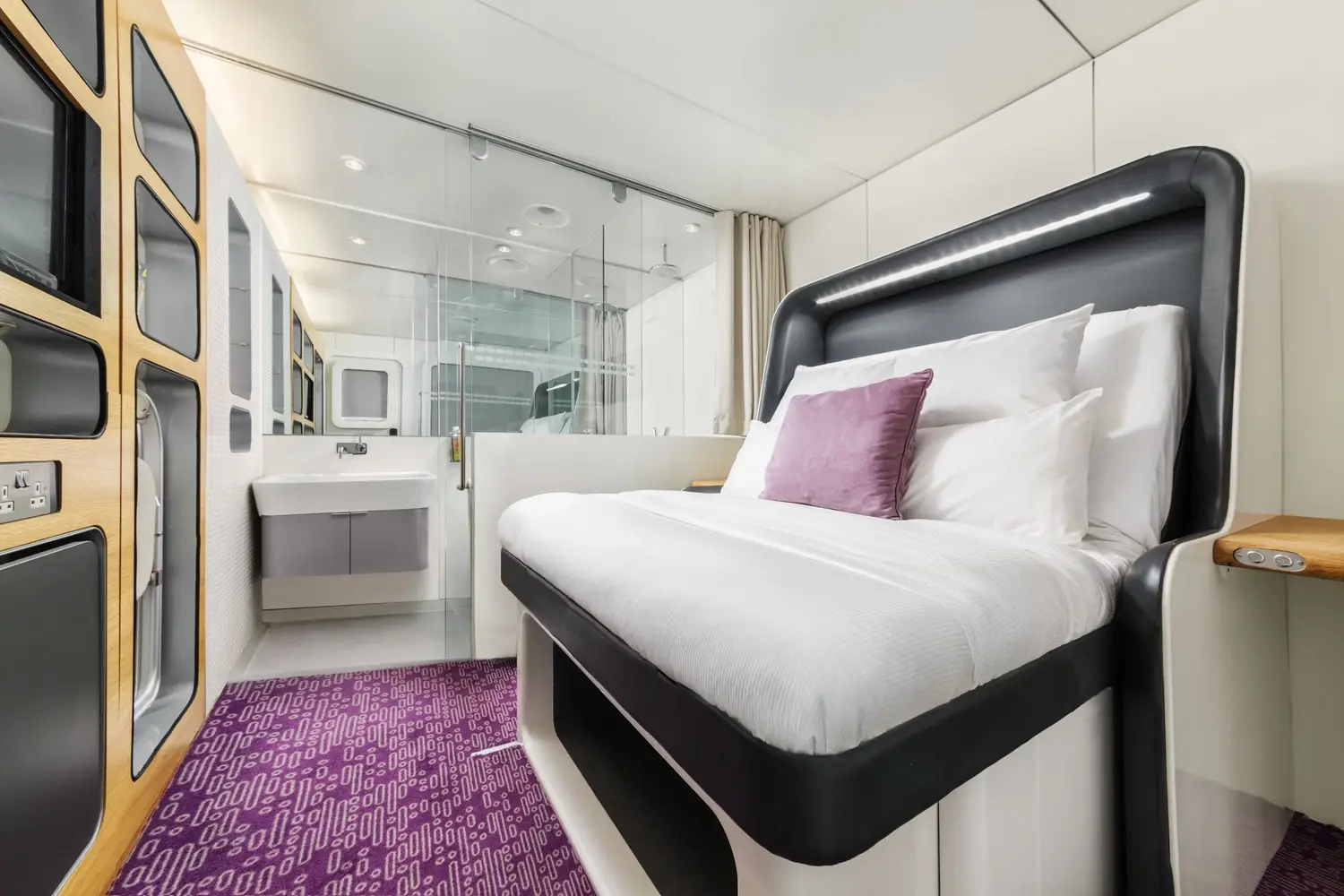
Best Transit Hotels for Short Layovers: The 2026 Recovery Guide
In the globalized economy of 2026, the traditional distinction between “travel time” and “productive time” has collapsed. For the modern high-frequency traveler, the airport is no longer a mere departure point but a high-performance habitat where the success of a multi-continental journey is determined by the efficacy of the “Interval.” As global passenger volumes reach record peaks of over 4.5 billion annually, the emergence of specialized transit hospitality has transformed the short layover from a logistical hurdle into a strategic recovery window. This shift marks the rise of the “Temporal Fortress”—a class of lodging engineered to neutralize the physiological and cognitive costs of movement within a compressed timeframe.
Eliminating Friction through Invisible Logistics
The complexity of these environments lies in their “Invisible Logistics.” When a layover spans a tight four-to-eight-hour window, the primary enemy is “Friction.” Every minute spent navigating immigration, waiting for a shuttle, or managing check-in administrative tasks is a direct tax on the guest’s biological recovery. Consequently, the industry has seen a radical prioritization of “Airside Flagships”—properties located within the sterile zone that utilize medical-grade hardware to provide “Environmental Sovereignty.” These spaces are designed to insulate the resident from the thermal, acoustic, and luminous volatility of the terminal, allowing for a state of “Zero-Lag Continuity” between flight legs.
Defining Atmospheric Integrity
To engage with this sector at an authoritative level, one must move beyond surface-level amenities. In 2026, the definitive reference for quality is no longer a plush lobby or a standard gym, but “Atmospheric Integrity.” This involves the integration of HEPA-H14 air filtration to scrub kerosene particulates and circadian-tuned lighting arrays that preemptively manage travel-induced inflammation. This study serves as an editorial deconstruction of the frameworks, categories, and real-world scenarios that define the highest tier of transit hospitality, providing a rigorous guide for those who view the short layover as a critical asset for professional and physiological longevity.
Understanding “best transit hotels for short layovers”
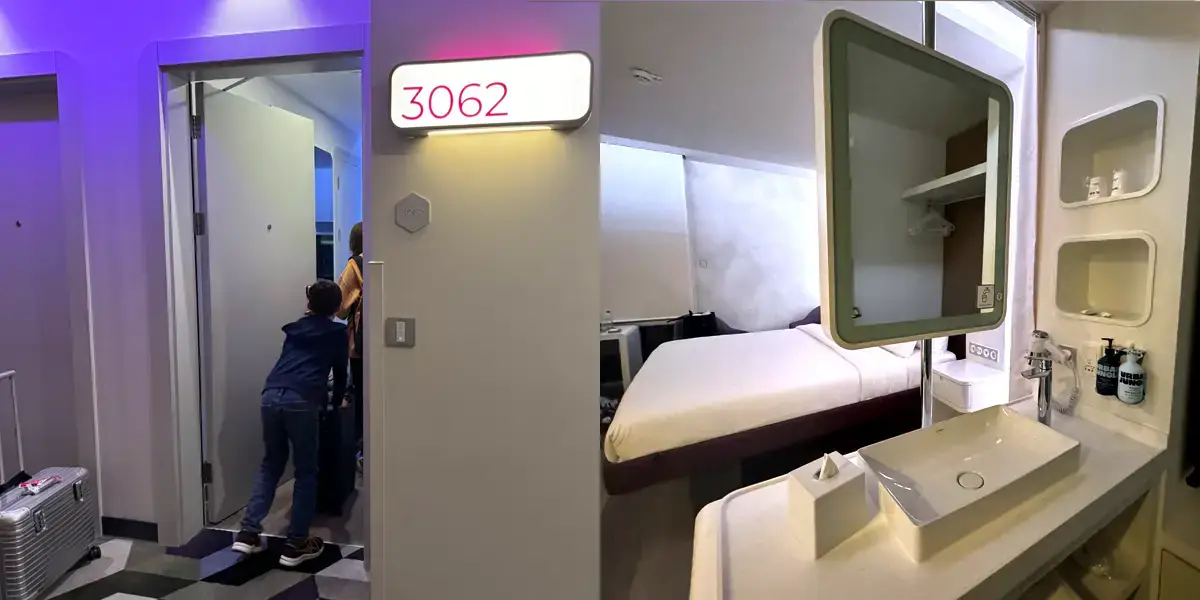
To rigorously define the best transit hotels for short layovers, one must first dismantle the “Hotel-Lite Fallacy.” There is a persistent industry misunderstanding that a transit hotel is simply a standard hotel with shorter stay windows. In reality, a high-performance transit facility is a mechanical system engineered for “Throughput and Recovery Density.” A multi-perspective explanation reveals that while a traditional hotel optimizes for “Guest Experience,” a transit hotel must optimize for “Guest Recalibration.” The floor plans are not designed for lingering; they are designed for “Path-of-Least-Resistance” movement—from the gate to the sleep chamber in a high-efficiency loop that minimizes “Time-to-Horizontal.”
Functional Connectivity vs. Proximity Bias
Oversimplification risks often manifest in the “Proximity Bias.” It is commonly assumed that a hotel’s value is purely a function of its physical distance from the runway. However, in 2026, “Functional Connectivity” is the superior metric. A landside hotel located 200 yards away, but requiring a twenty-minute walk through an unconditioned terminal link,k is less effective than an airside capsule located 500 yards away with biometric gate integration. The best options are those that provide “Atmospheric Sovereignty”—the ability to neutralize the acoustic floor (ideally below 25 dB) and the metabolic stressors of the aviation environment.
Service Invisibility and Automated Continuity
Furthermore, a sophisticated approach to these plans requires an evaluation of “Service Invisibility.” In a high-velocity residency, the architecture must support “Automated Continuity.” If a traveler has a five-hour layover, every minute spent interacting with a human service layer or navigating a lobby is a “Resource Leak.” The most effective plans utilize pre-synced climate controls and biometric access, ensuring the room is at the guest’s ideal metabolic temperature the moment they cross the threshold. Authentic transit excellence is measured by the guest’s ability to maximize their biological recovery without ever encountering the administrative friction of a traditional stay.
Deep Contextual Background: The Evolution of the Bio-Buffer
The history of transit hospitality is a narrative of increasing insulation. In the mid-20th century, transit lodging was external and reactive—standard motels were used only during flight cancellations. These were “Distress Assets” with no specialized engineering to mitigate low-frequency jet vibration or kerosene particulates. By the 2010s, “Airside” facilities began appearing within the secure zone, but they often struggled with the “Acoustic Leakage” inherent in retrofitting standard designs into existing terminal shells.
Entering 2026, we have transitioned into the “Bio-Fortress” phase. Modern transit hotels are now engineered as adaptive habitats where the focus has shifted from “Bed Count” to “Metabolic Reset.” This evolution is driven by the “Cognitive Wellness” trend, where retreats combine medical-grade assessments with hospitality. In major hubs like Singapore, Doha, and New York, the hotel is no longer an appendage of the airport; it is an integrated biological filter designed to facilitate “Synchronized Recovery” for the global elite.
Conceptual Frameworks: Metrics of High-Velocity Reset
1. The “Acoustic Floor” Framework
This model posits that the value of a transit stay is inversely proportional to its “Ambient Noise Floor.” A flagship plan must achieve a decibel level under 25 dB through triple-layered glazing and decoupled structural framing. In a high-friction airport environment, silence is not an amenity; it is the primary product.
2. The “Biological Synchronicity” Model
A mental model for assessing metabolic support. Planning must account for the guest’s internal clock. This involves lighting that shifts from “Alertness-Promoting” high-Kelvin blue light for those on a three-hour “Power Stay” to “Recovery-Promoting” low-Kelvin amber light for those seeking a full REM cycle.
3. The “Throughput Efficiency” Logic
This framework analyzes the “Friction-to-Fulfillment Ratio.” It evaluates the hardware (automated luggage storage, self-cleaning showers) that allows a guest to transition from arrival to sleep in under 12 minutes. The objective is “Zero-Lag Logistics.”
Key Categories: Mapping the Temporal Residency Footprint
The implementation of elite transit concepts varies by location, but the “Functional Core” remains consistent across the most successful facilities in 2026.
Realistic Decision Logic: The “Lapse Filter”
When identifying the best transit hotels for short layovers, the “Lapse Window” is the primary decision filter. For windows under six hours, an “Airside Unit” is mathematically superior due to the elimination of immigration time. For windows exceeding twelve hours, a “Landside Flagship” with natural light and biophilic access is preferred to facilitate a complete circadian reset before the next departure.
Detailed Real-World Scenarios
The “Four-Hour” Power Stay in Dubai
A senior negotiator has a four-hour layover between London and Sydney.
-
The Failure: Booking a “Luxury” landside hotel. The time spent on customs and transfers (90 minutes) consumes 40% of the recovery window.
-
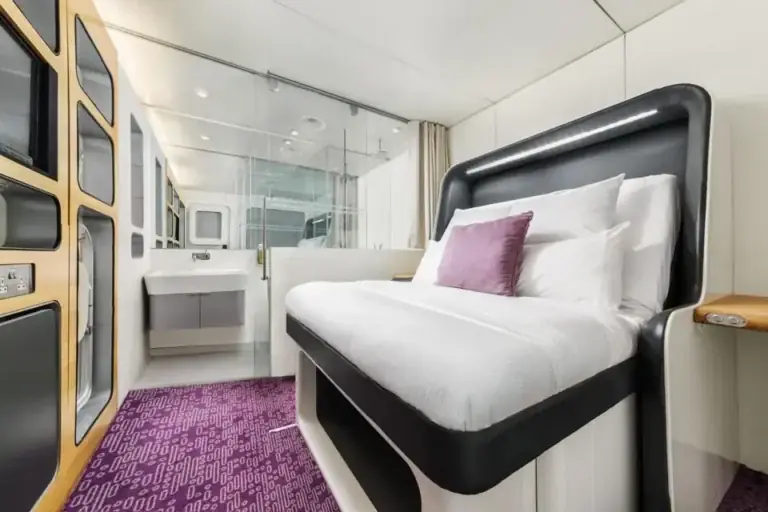
The Logic: The guest utilizes an “Airside Pod” with biometric access. They are in a controlled sleep environment within 12 minutes of deplaning, maximizing their “Recovery Window” to over three hours of high-fidelity rest.
The “Negotiation” Hub at Heathrow
A legal team uses a transit suite for a confidential briefing during a five-hour connection.
-
The Constraint: Standard airport lounges are too public for sensitive disclosures.
-
The Correction: They book a “Professional Atelier” suite that features “Acoustic Vestibules” and TEMPEST-shielded Wi-Fi nodes, ensuring total digital and auditory privacy from the terminal.
Planning, Cost, and Resource Dynamics
The economics of transit hospitality involve “High-Frequency Capitalization.” Rooms are often “flipped” multiple times per twenty-four-hour period, necessitating a radical approach to durability and maintenance.
Range-Based Authorization (Operating Reserves)
Asset managers should authorize a “Maintenance Velocity Fund” of 25% to 35% of gross revenue. In transit hotels, the compressed ‘Wear and Tear’ cycle demands a superior class of textiles and mechanical hardware to withstand three bed turnovers in a single day. Pricing power remains firm into 2026, supported by limited supply near major gateways.
Tools, Strategies, and Support Systems
-
Terminal Flow Integration: A tool that monitors “Concourse Density Data” and flight delays in real-time to ensure “Zero-Latency” room readiness.
-
Digital Twin Monitoring: Maintaining a digital replica of the suite to track “Atmospheric Drift” (CO2 and humidity levels) during the stay.
-
HEPA-H14 Filtration Standards: Monitoring air quality at the room level and providing a dashboard for the guest to verify “Toxin-Free” air.
-
“Silent-Flow” HVAC Design: Utilizing oversized, low-velocity ducts to move air without the “hiss” of standard climate control.
-
TEMPEST Shielding: Integrating electromagnetic shielding into walls for sovereign or high-security professional residencies.
-
Pre-Sync’s Metabolic Architecture aligns the suite’s temperature and lighting with the guest’s destination 72 hours before arrival to accelerate circadian adjustment.
-
Biometric Access Hubs: Replacing physical keys with facial or retinal recognition to remove administrative “Check-in Friction.”
-
Status-Based “Shadow Inventory”: Managing “Unpublished” pods reserved only for extreme distress or high-value recovery needs.
Risk Landscape: The Taxonomy of Logistical Decay
-
The “Security Lag” Failure: Planning a stay landside without verifying “Fast-Track” security lanes, potentially leading to missed connections.
-
The “Hardware Fragility” Trap: Properties that look excellent in photos but have “Low-Fidelity” plumbing or erratic HVAC due to terminal-vibration stress.
-
The “Acoustic Breach”: Booking a room adjacent to service elevators or baggage handling shafts, which can ruin a recovery cycle.
-
The “Smart-Friction” Failure: Technology that requires a learning curve. If a jet-lagged guest cannot turn off all lights with a single physical “Kill Switch,” the facility has failed.
Governance, Maintenance, and Long-Term Adaptation
A successful transit asset requires “Rigorous High-Frequency Governance”:
-
Monitoring: Hourly “Air Purity” and “Decibel Audits.” The atmospheric baseline is the primary product being sold.
-
Review Cycles: Re-evaluate the “Digital Stack” every 12 months. Wellness and data security tech move at 3x the speed of traditional renovation cycles.
-
Adjustment Triggers mandate a recalibration of staffing or hardware if ‘Turnover Latency’ exceeds 12 minutes.
Measurement, Tracking, and Evaluation
Cognitive Recovery Time measures planning efficacy by tracking how quickly the resident returns to a high-performance baseline.
-
Leading Indicator: “Frictionless Arrival Time”—The minutes elapsed from the terminal gate to horizontal rest.
-
Lagging Indicator: “Metabolic Reset”—Measurement of Heart Rate Variability (HRV) lift post-stay using integrated room sensors.
-
Qualitative Signal: “The Invisible Hand”—The guest’s perception that the stay was a “Missing Link” rather than a disruptive chore.
Common Misconceptions and Oversimplifications
-
Myth: “Transit hotels are just for sleeping.” Correction: They are “Recovery Systems.” Planning must include hydration and hygiene as equal priorities.
-
Myth: “Cheaper is better for a quick nap.” Correction: Low-cost options often have poor CO2 scrubbing, leading to “Brain Fog” upon waking.
-
Myth: “Airside hotels are always superior.” For layovers exceeding 12 hours, landside hotels leverage ‘Green Space’ to accelerate long-term circadian resets by realigning guests with natural light cycles.
-
Myth: “Technology should be the focus.” Correction: “Intuition” is the focus. Tech should be silent, invisible, and require zero input.
-
Myth: “Capsules are claustrophobic.” Correction: Correctly planned pods use light and mirrors to provide a high-fidelity womb-like rest environment.
-
Myth: “All water is the same.” Correction: Flagship options plan for “Multi-Stage Filtration” at the tap to combat the dehydration of flight.
Ethical and Practical Considerations
In the context of the best transit hotels for short layovers, “Environmental Stewardship” is critical. Operating a climate-controlled fortress inside a terminal is energy-intensive. Modern planning involves “Passive Energy Harvesting” from terminal thermal loops and the use of sustainable, fire-retardant textiles. Practically, an ‘Ethically Planned’ facility—prioritizing staff safety and low chemical outgassing—creates a more restorative environment for the physically vulnerable transit guest.
Conclusion
The pursuit of the perfect transit residency is an exercise in “Architectural Intellect.” As the global network becomes increasingly volatile, the value of the “Controlled Environment” will only appreciate. By moving past “Surface-Level Comfort” and focusing on “Acoustic Rejection,” “Biological Recovery,” and “Logistical Seamlessness,” the modern professional ensures that their environment is a tool for longevity. The pinnacle of transit hospitality emerges where the terminal’s kinetic energy and the fortress’s silent recovery achieve a perfect, seamless equilibrium.